
We find the driver of your dizziness, concussion-related symptoms, migraines, neck pain, and balance or movement challenges.
Neurologically-Based Chiropractic Care in Calgary
Neurologically-Based Chiropractic Care in Calgary
We find the driver of your dizziness, concussion-related symptoms, migraines, neck pain, and balance or movement challenges.
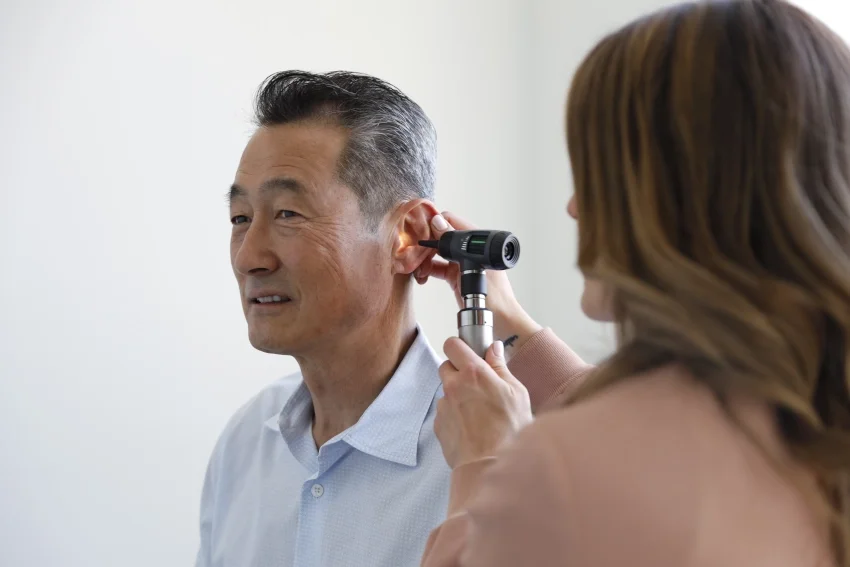
Dizziness or fogginess, our assessments offer a clearer understanding.
Symptoms such as dizziness, vertigo, migraine-related concerns, concussion-related symptoms, balance issues, dysautonomia-like symptoms, and visual instability may involve interactions between the brain, eyes, inner ears, spine, and body. We provide personalized chiropractic care with a neurology-informed approach for patients experiencing complex balance, movement, and nervous system-related concerns.
Dizziness or fogginess, our assessments offer a clearer understanding.
Symptoms such as dizziness, vertigo, migraine-related concerns, concussion-related symptoms, balance issues, dysautonomia-like symptoms, and visual instability may involve interactions between the brain, eyes, inner ears, spine, and body. We provide personalized chiropractic care with a neurology-informed approach for patients experiencing complex balance, movement, and nervous system-related concerns.

Evidence-based
Tests & Assessment
Evidence-based
Tests & Assessment
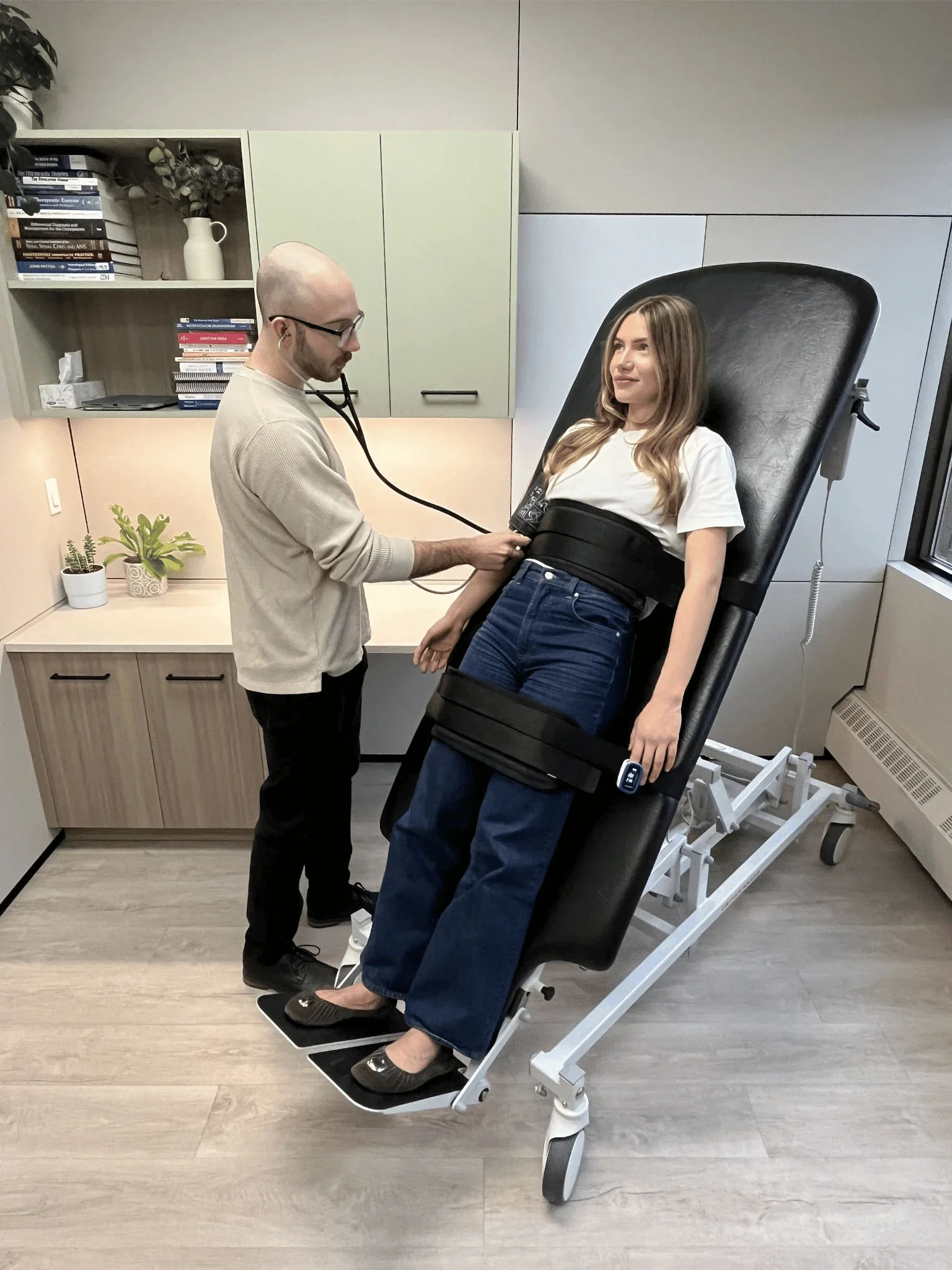
Tilt Table Testing is an assessment option for symptoms such as dizziness, fainting, lightheadedness, and suspected autonomic dysfunction, including suspected POTS. Testing results are reviewed in the context of your full clinical picture and may support referral or collaborative care.
Even though… Tilt table testing can be helpful, in some cases it does not tell the full story on its own. That is why we may use additional supportive tests to get a more complete understanding of how your nervous system is working overall.
Tilt Table Testing is an assessment option for symptoms such as dizziness, fainting, lightheadedness, and suspected autonomic dysfunction, including suspected POTS. Testing results are reviewed in the context of your full clinical picture and may support referral or collaborative care.
Even though… Tilt table testing can be helpful, in some cases it does not tell the full story on its own. That is why we may use additional supportive tests to get a more complete understanding of how your nervous system is working overall.


-
Computerized Assessment of Postural Systems, or CAPS, uses a force plate to observe how your body maintains balance while standing. During the assessment, you stand on a specialized platform under different conditions while sensors record subtle shifts in weight and changes in position. This assessment can provide information about postural control, balance strategies, and how your body responds to different balance challenges. These findings may help guide care recommendations, home exercises, referral, or co-management.
-
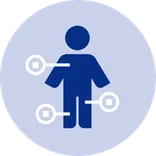
Video-oculography, or VOG, uses specialized goggles with built-in cameras to record and analyze eye movements. During the assessment, you may be asked to follow visual targets or complete specific eye movement tasks. VOG can provide information about eye tracking, visual stability, and patterns that may be associated with dizziness, motion sensitivity, disorientation, visual discomfort, difficulty focusing, or balance concerns. Results are reviewed alongside your history and clinical findings to help guide appropriate next steps.
-
NeckCare technology is used to assess neck movement control and joint position sense. The system uses lightweight sensors to observe how accurately the neck and head move through specific tasks. This assessment may provide information about neck control, proprioception, posture, and movement patterns that may be relevant for patients experiencing neck pain, headaches, dizziness, or balance-related concerns. Findings may help guide individualized care recommendations when appropriate.
-
Video Head Impulse Testing, or vHIT, is used to assess the vestibulo-ocular reflex, also known as the VOR. The VOR helps keep vision stable during head movement. During the assessment, specialized goggles track eye movements while the head is moved in specific directions. The results can provide information about how the eyes and vestibular system are responding during quick head movements. These findings may be relevant for patients experiencing dizziness, balance concerns, motion sensitivity, or visual instability.
Learn More About Tilt Table Testing
What Sets Us Apart from Traditional Chiropractic
The goal is not only to reduce symptoms, but to better understand why the body is struggling and support the systems involved in recovery.

1.
We assess neurological, vestibular, visual, and movement findings

2.
We explain what the findings may mean and discuss care options.
3.
We monitor changes using clinical observations and objective testing
Our care goes beyond a standard spinal adjustment. While traditional chiropractic care often focuses primarily on joints, alignment, pain relief, and mobility, our approach looks more closely at how the spine, brain, eyes, inner ear, balance system, and nervous system work together.
Learn more about our Re-New Approach
Concerns We Assess and Support
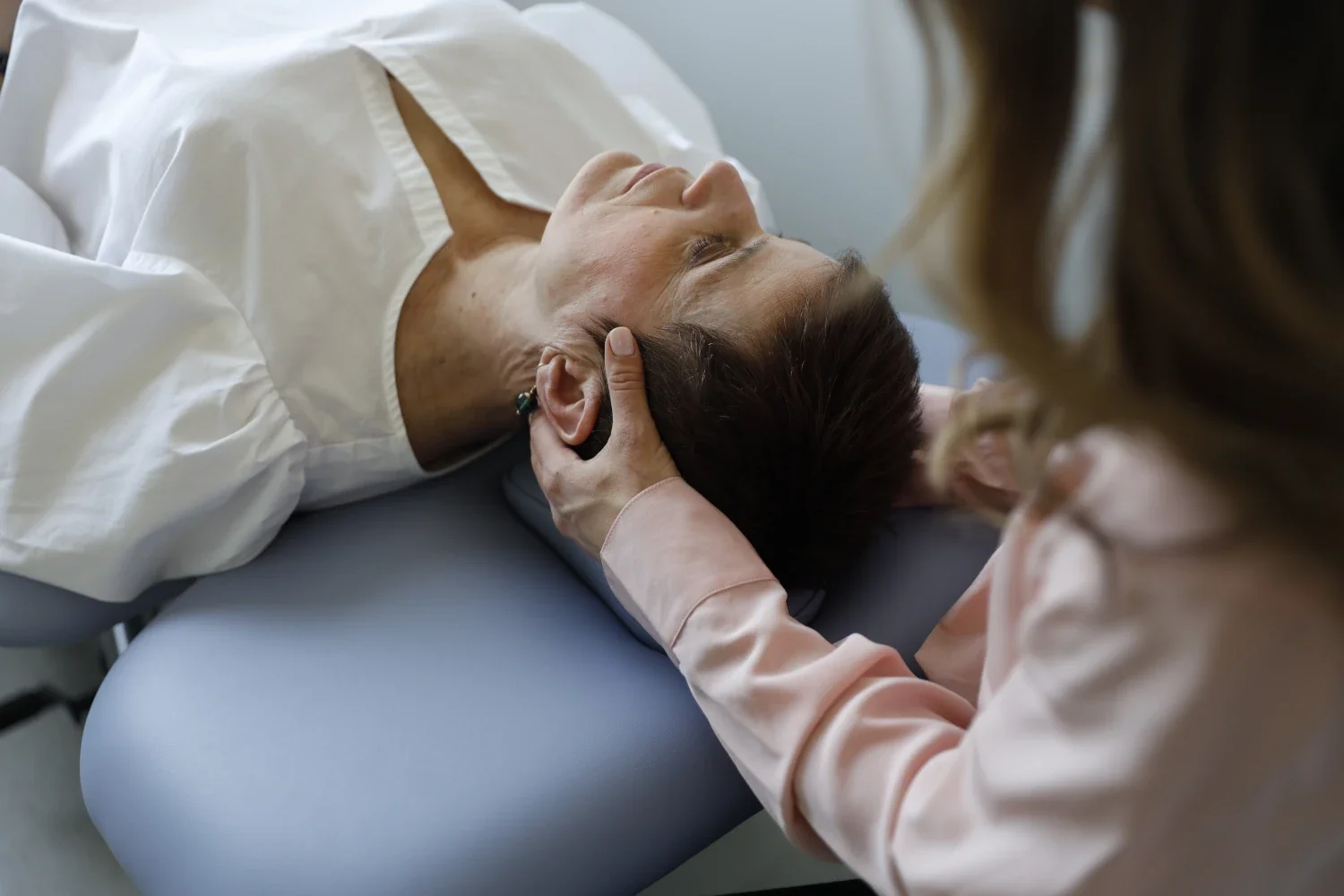
We build a care plan designed around your specific findings. For some patients, that may include chiropractic care. For others, it may also involve vestibular exercises, eye movement training, balance therapy, proprioceptive work, red light therapy, or other supportive therapies used to help improve nervous system function.
✅ Personalized one-on-one appointments
✅ Collaborative patient education
✅ Evidence-informed care planning
Why Patients Choose Anew
Gabrielle L.
⭐⭐⭐⭐⭐
“I left my first appointment with Dr. Frontain with tears of happiness and relief! I am so happy I found her. Not only is she extremely knowledgeable she also has a very calm, caring demeanor about her that is so hard to find. The individual that checked me in was also very sweet and welcoming! I can’t wait to continue care with her.”
Chelsea S.
⭐⭐⭐⭐⭐
“I honestly can’t say enough good things about this clinic. [..]
Dr. Rachel and Dr. Bria are incredibly knowledgeable, compassionate, and genuinely so unbelievably smart. […]
From the moment you walk in, they make you feel completely at home. The environment is so welcoming and supportive, which made such a difference during a really difficult time for me.
[…] I highly recommend giving this clinic a chance.”
Emily B.
⭐⭐⭐⭐⭐
“I had a wonderful experience working with Dr. Rachel! She is super kind and professional, and I was able to get answers from her about my continuing health problems […].”
Kaylee H.
⭐⭐⭐⭐⭐
“Dr. Rachel & her space are lovely! She is so empathetic , passionate and intelligent. I would highly recommend her to anyone […]!”
Bunthy J.
⭐⭐⭐⭐⭐
“Dr.Rachel!! [..] She did extensive checks on my to make sure everything was properly diagnosed. I don’t think I would have progressed so quickly without her. Plus her energy is so vibrant and chill. I loved my sessions. Thank you so much!”
Michael S.
⭐⭐⭐⭐⭐
“I've had many concussions, but I'd never suffered symptoms like I have this time. Prior to seeing Anew, my balance was poor and I couldn't drive more than 1 hour. Post intensive treatment, I was driving to the ski hill and skiing dynamically. […]. I've found Anew's approach to be systematic and quantifiable making it easy to measure changes / progress.”
Ready to start Anew?
Disclaimer: Reviews reflect individual patient experiences and are not a guarantee of results. Care recommendations vary based on each patient’s history, assessment findings, and clinical needs.
Many diagnoses describe what you are experiencing, but they may not always explain which systems are contributing to your symptoms. At Anew, we look at three areas of your nervous system then we can build a care plan that is more specific to your needs.
Symptoms like a racing heart, brain fog, dizziness, or fatigue can be frustrating. Medication, adjustments, or other treatments may provide temporary relief, but they may not always explain why these symptoms are happening in the first place.
Standard assessments may not always capture the full picture when symptoms are complex. A more detailed assessment may help identify patterns that are often missed with standard testing alone.
3 reasons why our approach is the right fit for you
1
2
3
Three reasons why our approach may be a good fit for you

1
2
3
Symptoms like a racing heart, brain fog, dizziness, or fatigue can be frustrating. Medication, adjustments, or other treatments may provide temporary relief, but they may not always explain why these symptoms are happening in the first place.
Standard assessments may not always capture the full picture when symptoms are complex. A more detailed assessment may help identify patterns that are often missed with standard testing alone.
Many diagnoses describe what you are experiencing, but they may not always explain which systems are contributing to your symptoms. At Anew, we look at three areas of your nervous system then we can build a care plan that is more specific to your needs.
Still unsure if our care is appropriate for your symptoms?
A 30-minute Phone Case Review Consultation gives you a chance to share what you’ve been experiencing, ask questions, and learn if an in-person assessment may be appropriate.
Meet Your Care Team
Your care is guided by a team that understands complex nervous system-related symptoms require more than a one-size-fits-all approach. Each step is designed to help us better understand your symptoms, your clinical findings, and the type of support your nervous system may need.

Dr. Rachel Frontain, DC & DACNB

Dr. Bria Kloppenborg, DC & Medical Acupuncture
Our goal is to make you feel heard, properly evaluated, and supported with a care plan that is specific to your needs.
Frequent Asked Questions
-
Also known as functional neurology, this approach is used within our chiropractic care to help guide individualized recommendations. Depending on your findings, care may include exercises or therapies involving eye movements, balance training, sensory input, movement retraining, and chiropractic care when appropriate.
Functional neurology is an assessment and care approach that looks at how the nervous system may be functioning, including areas such as eye movements, balance, coordination, posture, reflexes, and movement control.
-
No. You do not need a referral to book an appointment. You can schedule directly with the clinic.
If you have imaging, test results, specialist reports, or a referral from another healthcare provider, you are welcome to bring them. These records can help provide a more complete picture of your health history, but they are not required to book.
-
We commonly assess patients experiencing symptoms or concerns such as dizziness, vertigo-like symptoms, concussion-related symptoms, headaches, migraine-related concerns, balance and coordination difficulties, motion sensitivity, visual instability, neck pain, and autonomic-related symptoms such as lightheadedness or fainting.
We also see patients who have complex or persistent symptoms and are looking for a more detailed assessment of how their balance, movement, visual, spinal, and nervous system findings may relate to what they are experiencing.
Care recommendations are individualized and based on your health history, examination findings, goals, and whether chiropractic or neurology-informed care is appropriate for your situation.
-
Tilt Table Testing is an assessment used to observe how heart rate and blood pressure respond when the body changes position, especially from lying down to an upright position.
It may be used when someone is experiencing symptoms such as fainting, lightheadedness, dizziness, or suspected orthostatic intolerance, including suspected POTS.
The results can help provide useful information about autonomic responses and may support care planning, referral, or collaboration with other healthcare providers when appropriate.
If You’ve Been Experiencing…
Dizziness, vertigo-like symptoms, or imbalance
Lightheadedness, fainting, or unexplained fatigue
Headaches or migraine-related concerns
Concussion-related symptoms
Balance, coordination, or visual stability concerns
Symptoms that have not fully resolved
We take the time to assess what may be contributing to your symptoms, explain your findings, and discuss appropriate next steps, including care, or referral options.
Become a patient
Schedule a 30-minute Phone Case Review Consultation
OR